 Skip To Main Content


Black Cohosh: Botanical Support for Hormonal Balance During Menopause*

By Jesse Martin, M.S.
Published September 17, 2026
Menopause is a natural biological process that affects an estimated1.3 million women in the US every year. Defined as twelve consecutive months without a menstrual period, menopause typically occurs in a woman's early 50s and marks the end of the reproductive years.
The years surrounding menopause bring a natural decline in estrogen and progesterone, and that shift can affect the body in several ways.Many women experience occasional hot flashes and night sweats, altered sleep, shifts in mood, and changes in energy during this time. These experiences can begin during perimenopause, the transitional years leading up to menopause, and may continue for several years. Historically, many women have turned to Hormone Replacement Therapy (HRT) or Menopausal Hormone Therapy (MHT) for support during this transition period, while others elect to pursue a non-pharmacological approach.
What Is Black Cohosh?
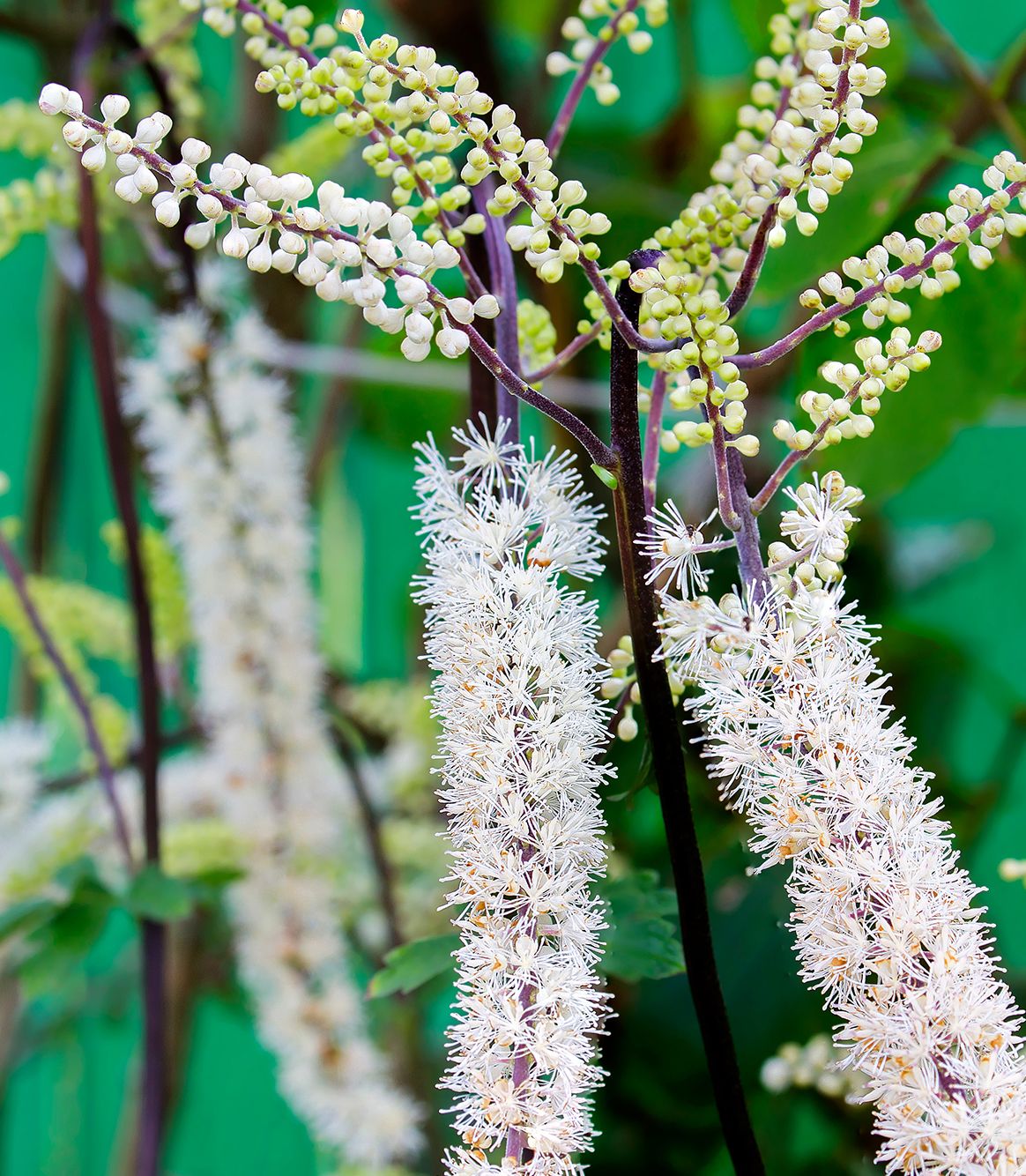
Black cohosh (Actaea racemosa) is aperennial plant in the buttercup family native to eastern North America. The plant grows on tall, thin stems topped with wand-like white flowers, and it goes by several other names, including black snakeroot, bugbane, and rattleweed.
Black cohosh preparations are taken from the underground portion of the plant rather than the flower, specifically the root and underground stems. During this process, growers harvest the roots and stems in autumn, then dry and standardize them before formulating them into capsules, powders, or extracts.
Black cohosh has a long history in women's health.Native American communities used the root for a range of purposes, including support for menstrual and reproductive health, and European settlers soon adopted it for similar uses. In other parts of the world, such as Europe, women have used the herb formore than 70 years, and it continues to be used as a hormone support supplement today. That long tradition is why black cohosh remains such a familiar ingredient in a menopause support supplement.
How Black Cohosh Supports Hormonal Balance and Menopausal Comfort*
Black cohosh has a long history of use for supporting comfort during the menopausal transition, and it remains one of themost popular botanical choices for hormone support today. While researchers are still uncovering exactly how it works, black cohosh is most often connected to a few specific areas of menopausal support.*
Temperature-Related Comfort: Black cohosh has been found to help diminish occasional hot flashes, one of the most common disruptions of menopause.* Several randomized controlled trials have also found it supportive in other temperature-related disturbances, including sweating.* By potentially helping diminish the frequency and severity of mild hot flashes, black cohosh may support greater comfort throughout the day and during sleep.*
Restful sleep: Sleep disturbances are common during menopause, with women often experiencing difficulty staying asleep or waking throughout the night. Black cohosh has been shown in several clinical studies to support sleep in menopausal and postmenopausal women, helping them sleep more through the night and wake up less often.* These benefits may help support more restful, restorative sleep during the menopausal transition.*
Steady energy and mood: Menopause can affect more than the physical changes of the transition. As hormones shift, many women notice changes in mood, motivation, and daily energy. Black cohosh has been shown to help support a more balanced mood through these changes, and has also been connected tosteadier energy and less occasional fatigue, according to clinical research.* For women navigating the emotional shifts of menopause alongside the physical ones, black cohosh may be a meaningful part of a broader approach to hormonal balance support.*
Because the menopausal transition reaches so many areas of daily life at once, black cohosh is frequently combined with other complementary botanicals and nutrients in a comprehensive hormone balance formula, giving women broader, more targeted support through this stage of life.*
Mechanisms of Black Cohosh
The mechanisms behind how black cohosh worksare still not fully understood, and research remains ongoing. Until recently, the leading explanation stated that black cohosh performed similarly to estrogen in the body, but more recent research has largely debunked that theory. Research is now uncovering several other pathways that may help explain its effect on menopausal comfort, including:
- Neurotransmitter activity:Black cohosh may influence neurotransmitter pathways, including serotonin activity.* Serotonin and other related neurotransmitters help shape mood, sleep, and temperature regulation, which may explain its support in these areas.*
- Antioxidant status and inflammatory response support: Black cohosh may support the body's redox balance and a healthy inflammatory response, both of which play roles in overall wellness during the menopausal years.*
- Comfort-supporting pathways: Mechanistic studies show black cohosh may also interact with the body's opioid receptors. By potentially engaging these receptors, black cohosh may help support how the body and brain registers menopausal discomfort; however, further clinical evidence is needed.*
Black cohosh brings together centuries of traditional use and continued scientific investigation, which has made it a foundational ingredient in an advanced women's hormone formula.*
A Different Approach to Menopausal Care
While menopause is a natural stage of life, the right support can help women feel more like themselves through the transition. For those drawn to non-pharmacological hormone balance support options, black cohosh stands out as one of the more established botanicals for menopausal support, backed by years of traditional use and ongoing research.* It remains a foundational ingredient in many women's wellness hormone support formulas and a key option worth considering during the menopausal years, guided by a health-care provider.*
Key Takeaways
- Black cohosh is a perennial plant in the buttercup family native to eastern North America, and the root and underground stem are the parts used in supplements.
- The herb has a long history in women's health, from traditional Native American use to more than 70 years of use in Europe.
- Black cohosh is most often connected to temperature-related comfort, restful sleep, and steady mood and energy during the menopausal transition.*
- Scientists do not yet fully understand the underlying mechanisms of black cohosh; however, current research shows it may influence neurotransmitter and comfort-regulating pathways.*
- Black cohosh is often combined with complementary botanicals and nutrients in a comprehensive hormone balance formula for broader support.*
*These statements have not been evaluated by the Food and Drug Administration. This product is not intended to diagnose, treat, cure, or prevent any disease.
Menopause is a natural stage of life defined as twelve consecutive months without a menstrual period. It marks the end of the reproductive years and occurs on average around age 52. The years leading up to it are called perimenopause.
Every woman's experience is different. As hormones shift during the transition, common experiences include changes in temperature regulation such as occasional hot flashes and night sweats, along with changes in sleep, mood, and energy. These experiences can last for several years and vary widely from one woman to the next.
The root and underground stem are the parts used in herbal preparations. They are typically dried and standardized before being made into capsules, powders, or extracts.
Black cohosh is most associated with the temperature-related changes of menopause, such as helping to diminish mild hot flashes or night sweats caused by menopause.* Women also turn to black cohosh for support with restful sleep, steady energy, and a balanced mood through the transition.* Research suggests it may work through the body's neurotransmitter and comfort-regulating pathways.*
Not completely. The idea that black cohosh performs similarly to estrogen in the body has been largely disputed, and current research points toward effects on neurotransmitter pathways among others.* Study in this area is ongoing, and more robust clinical evidence is needed.
Yes. A qualified health-care practitioner can help you understand if black cohosh is suitable for your individual daily hormone balance support needs.*