 Skip To Main Content


Building Gut Resilience Before the Holidays: Supporting Your Gut Barrier and Microbiome*
By Jesse Martin, M.S.
Published

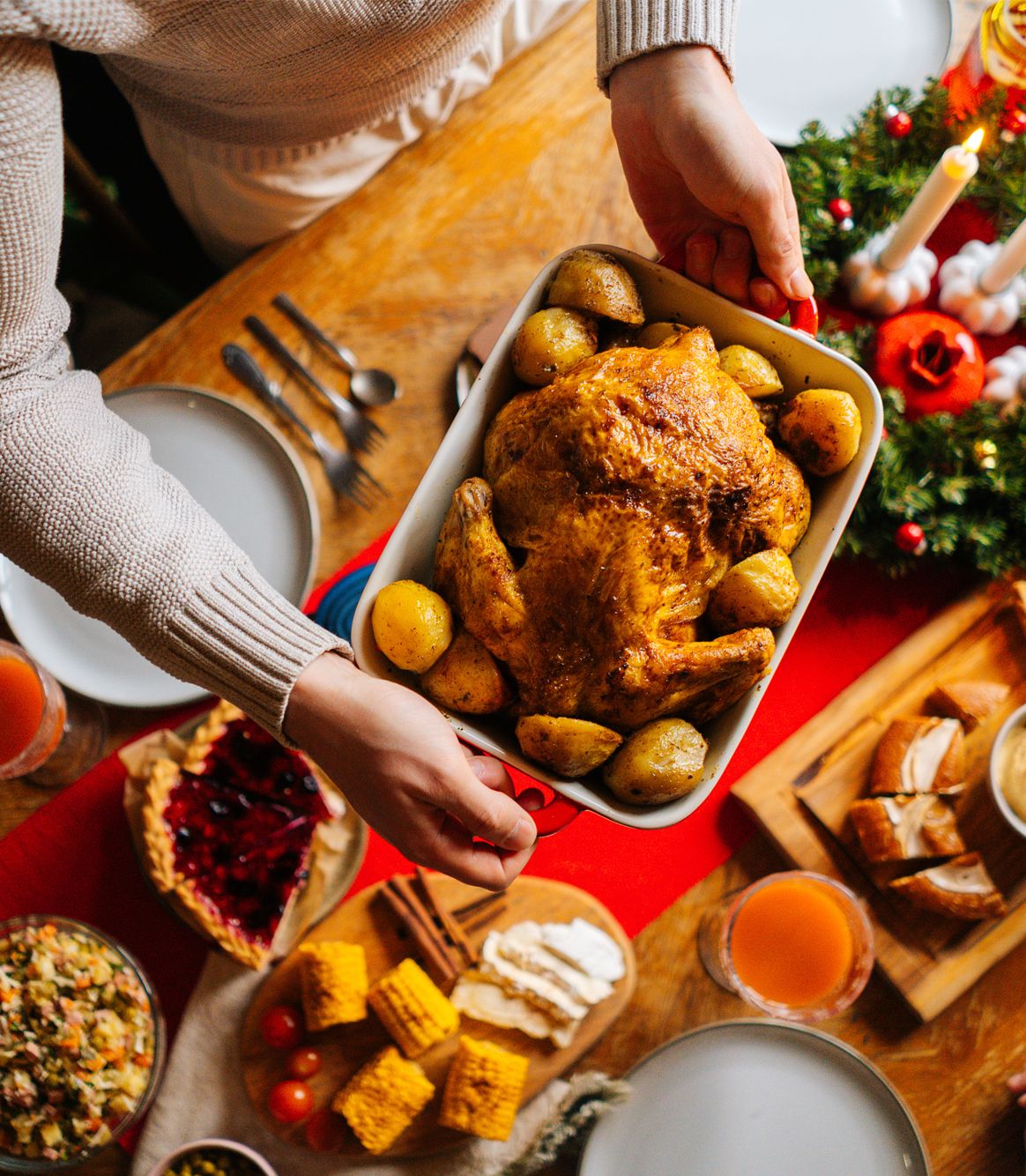
Much like summer travel, the holiday season tends to pull people out of their usual routines. Between family gatherings, seasonal meals, and busier schedules, it may be common to experience occasional GI-related complaints during this time of year. A variety of factors may contribute to these complaints, including more indulgent meals, higher alcohol consumption, less sleep, travel, and added psychological stress.
As the holiday season approaches, take a proactive approach to gut health. Supporting a strong intestinal barrier and a balanced gut microbiome ahead of time may help the gut better handle these changes, rather than playing catch-up once the holidays are over.
What Does Gut Resilience Mean?
Resilience describes how well a system returns to its normal state after a disturbance, and the gut microbiome works in a similar way. Researchers describe gut microbiome resilience as the microbial community's ability to regain its balance after a disruption, such as a change in diet or a course of antibiotics.
Gut resilience depends especially on two connected systems. The first is the intestinal barrier, which is the lining that separates the inside of the gut from the rest of the body. The second is the gut microbiome, a community of trillions of microorganisms living in the digestive tract.
How the Holidays Place Extra Demands on the Gut
The gut microbiome can respond quickly to daily habits, and human research has shown that changes in diet may alter the makeup of gut bacteria within just a few days. Holiday meals are often higher in fat and sugar and lower in fiber, which may deprive gut bacteria of the fuel they rely on. Several other seasonal factors may also affect the gut, including:
- Alcohol: Regular alcohol intake has been shown to affect the balance of gut bacteria and the permeability of the intestinal lining, which may make it easier for unwanted substances to pass through the gut barrier.
- Ongoing Psychological Stress: Psychological stress can reshape the gut microbiome and influence gut barrier permeability. Ongoing stress may also increase cravings for comfort foods, such as those high in sugar and fat.
- Routine changes: Gut bacteria follow a daily rhythm tied closely to mealtimes. A human study on traveling adults suggests that disrupted daily routines, such as jet lag, may throw off these microbial rhythms.
How the Intestinal Barrier Protects the Gut
The intestinal lining is a single layer of cells that lets water and nutrients into the body while keeping unwanted substances and microbes out. Structures called tight junctions link neighboring cells together and help control what passes between them. On top of these intestinal cells sits a protective layer of mucus made from proteins called mucins. The mucus layer serves as the first line of defense in the digestive tract and gives beneficial bacteria a place to live.
When tight junctions loosen, or the mucus layer thins, substances that should not pass through the gut lining can get through, including undigested food particles,certain toxins, or bacteria. This issue is commonly referred to as leaky gut. Because roughly 70% of the immune system lies within the digestive tract, a healthy gut barrier also helps support a balanced immune response.
Healthy gut barrier function depends on the steady upkeep of both the intestinal cell layer and the mucus layer. During busier seasons, certain supplemental ingredients may offer additional support for that upkeep, including:
- L-glutamine: L-glutamine is an amino acid that serves as a major fuel source for the cells lining the small intestine, and has also been shown in human trials to help support healthy intestinal permeability.*
- Zinc carnosine: Zinc carnosine is a compound that mayhelp support a healthy mucosal layer.* Human research suggests that zinc carnosine may also help maintain the integrity of the gut lining.*
- Demulcent botanicals: Herbs such as deglycyrrhizinated licorice (DGL), aloe vera, slippery elm, and marshmallow are known as demulcents, meaning they help coat and soothe the gut lining.* A human clinical trial suggests that DGL may support upper digestive comfort, and lab research has shown that herbs such as slippery elm and marshmallow root may help support the health of the intestinal lining.*
A comprehensive formula that combines these ingredients may offer broader gut lining support heading into the holidays.*
How Commensal Bacteria Support a Healthy Gut Environment*
Commensal bacteria are beneficial microbes that reside in the gut long term, rather than passing through. Some of these bacteria are known as keystone species, meaning they influence the surrounding microbial community far more than their numbers alone might suggest. Keystone commensals help keep the gut ecosystem balanced and stable, which makes them especially important for gut resilience.
Many commensal bacteria convert dietary fiber into short-chain fatty acids (SCFAs) such as butyrate.* Butyrate is a main source of fuel for the cells lining the large intestine and also helps support a strong gut barrier.* Other keystone commensals, such as Akkermansia muciniphila, live in the mucus layer and help support the renewal of cells that produce mucus, thereby helping maintain the protective layer covering the gut lining.*
Commensal bacteria also work together through a process called cross-feeding, in which one type of bacteria breaks down food and releases compounds that other bacteria then use as fuel. Cross-feeding allows different microbes to share resources and produce more beneficial compounds, such as SCFAs, than they could on their own.* Because some commensal bacteria may also help maintain a healthy balance of microbes in the gut, a commensal probiotic supplement built around keystone strains may help support a more resilient gut.*
Foundational Habits to Support Gut Health
Building gut-supportive habits a few weeks before the holidays may help the gut better handle the changes that come with the season and give those habits time to take effect before the busiest stretch arrives. The following habits are a good place to start:
- Eat a variety of fiber-rich plants: Fruits, vegetables, legumes, whole grains, nuts, seeds, herbs, and spices all provide fiber, which is the main food source for many commensal bacteria. Eating more than 30 different plant types per week is linked to a more diverse gut microbiome.
- Include fermented foods: Yogurt, kefir, sauerkraut, kimchi, and kombucha provide live microbes, and eating more of these foods may help increase gut microbiome diversity.
- Stay hydrated: Fluids help fiber move through the digestive tract, andpairing a high-fiber diet with more daily fluid may support more regular bowel movements than fiber alone.
- Eat at consistent times: Sticking to regular mealtimes and avoiding large late-night meals may help support the daily rhythm of gut bacteria.
- Prioritize sleep: Aim for a consistent bedtime and wake time, even during busy weeks. Sleep quality and gut microbial diversity appear to be closely connected.
- Stay active: Regular physical activity has been shown to shift the composition and function of gut bacteria, including bacteria that produce SCFAs. A short walk after a big holiday meal is an easy place to start.
- Manage occasional stress: Breathing exercises, time outdoors, or journaling may help ease occasional stress, which affects both the gut microbiome and the gut barrier.
Supporting Your Gut Through the Season
Gut resilience comes from consistent daily habits, not quick fixes. Plant variety, fiber, hydration, sleep, movement, and ongoing stress management all help prepare the gut for the upcoming season. For added support, a gut health supplement that targets the intestinal barrier, paired with a gut health probiotic supplement that supports a balanced microbiome, may complement these habits.* A qualified health-care practitioner may help you decide which approach fits your needs.
Key Takeaways
- Gut resilience is the gut’s ability to handle short-term disruptions and return to balance, and it depends on both the intestinal barrier and the gut microbiome.
- Holiday habits such as more indulgent meals, alcohol, stress, less sleep, and changing routines may place extra demands on normal digestive function.
- The intestinal barrier relies on tight junctions and a protective mucus layer to let nutrients in while keeping unwanted substances out.
- Ingredients such as L-glutamine, zinc carnosine, and demulcent botanicals may support gut lining integrity.*
- Commensal bacteria, including keystone species, help produce SCFAs, maintain the mucus layer, and work together through cross-feeding to keep the gut ecosystem stable.*
- Building habits such as eating a variety of plants, adding fermented foods, staying hydrated, and prioritizing sleep a few weeks before the holidays gives the gut time to adapt.
*These statements have not been evaluated by the Food and Drug Administration. This product is not intended to diagnose, treat, cure, or prevent any disease.
Gut resilience is the gut’s ability to handle short-term disruptions, like changes in diet, sleep, or stress, and return to balance afterward. Gut resilience depends on both a strong intestinal barrier and a diverse gut microbiome.
The holiday season often combines more indulgent meals, more alcohol, less sleep, more stress, and changing routines. These factors may place extra demands on digestion and the gut microbiome, sometimes leading to occasional bloating, gas, or irregularity.
Gut barrier function refers to the intestinal lining’s ability to absorb water and nutrients while keeping unwanted substances and microbes out. Tight junctions between cells and a protective mucus layer both help the barrier do its job.
Common ingredients include L-glutamine, zinc carnosine, and demulcent botanicals such as deglycyrrhizinated licorice (DGL), aloe vera, slippery elm, and marshmallow.* These ingredients are often combined in one formula to support gut lining integrity and healthy intestinal permeability.*
A commensal probiotic contains beneficial bacteria that reside in the human gut long term, such as Akkermansia muciniphila. Many are offered as a multi-strain probiotic supplement, since several commensal strains may help support microbiome balance, diversity, and the gut ecosystem’s ability to recover after disruption.*
Starting a few weeks before the holidays gives new habits time to take effect. While the gut microbiome responds quickly to daily changes, the benefits of gut-supportive habits tend to build with consistency over time.
Many people pair an intestinal barrier formula with a daily probiotic supplement, since one focuses on the gut lining and the other focuses on the gut microbiome.* A qualified health-care practitioner may help you decide whether this approach fits your needs.