 Skip To Main Content


How Much Omega-3 Do You Need?
By Jason Boehm, MS, CNS, MMC
Published

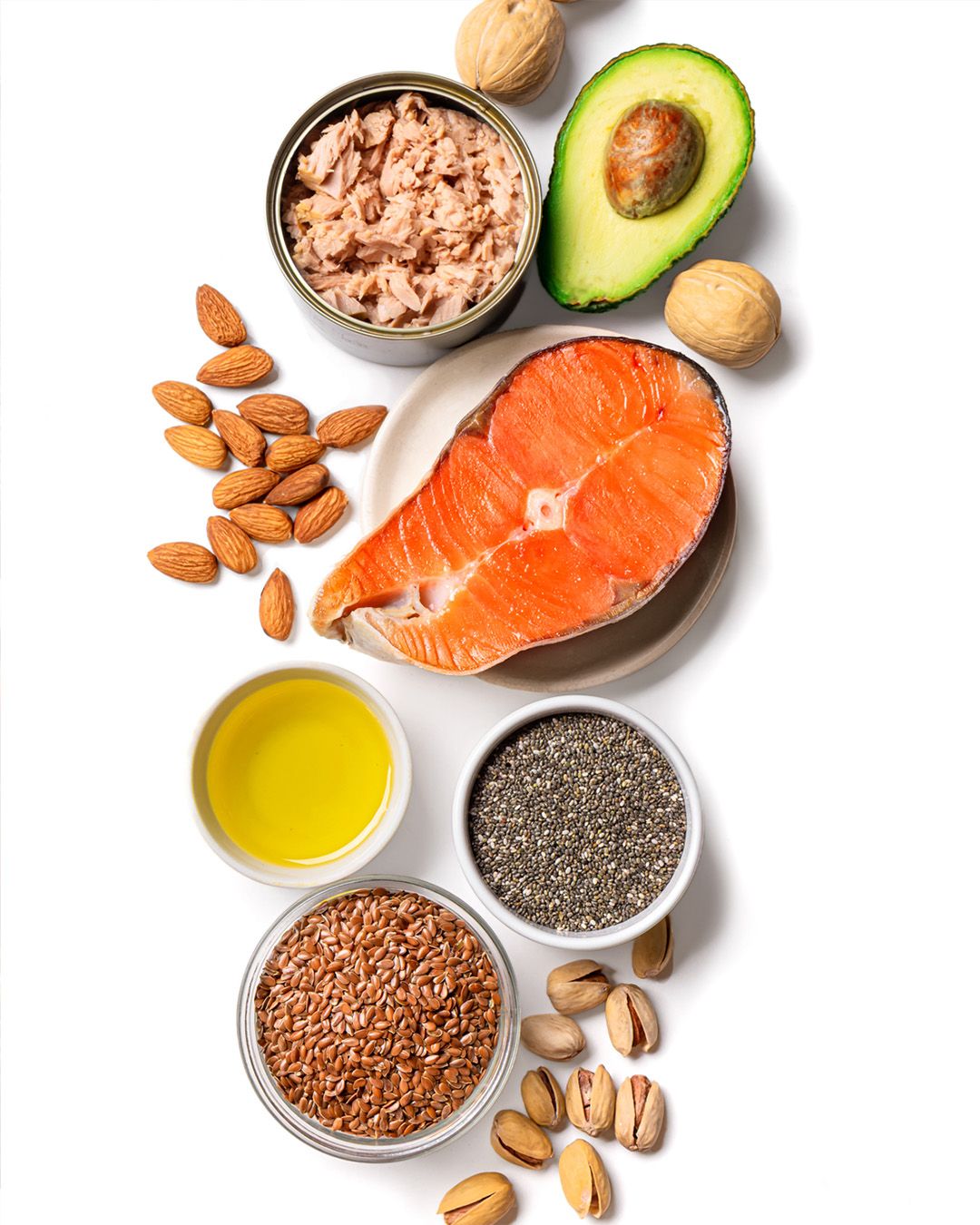
You eat salmon. You add walnuts or chia seeds to your salads. So you’re probably getting enough omega-3s, right? It may not be that simple.
Omega-3 fatty acids are important fats that your body needs for many everyday functions.* But the omega-3s in plant foods differ from those in fish, and your body doesn’t use them in the same way.
So how much omega-3 do you actually need? The answer depends on the type. Knowing the differences can help you figure out whether your diet provides enough and what other options you have when it doesn’t.
Why Omega-3s are Essential to Your Health
Omega-3s are important fats that your body uses in several ways. One of their most basic jobs starts with your cells.*
Every cell in your body has an outer layer called a cell membrane. Omega-3s are an important part of these membranes, helping keep cells strong, flexible, and working properly.*
Docosahexaenoic acid (DHA), one of the main types of omega-3 fatty acids, is especially important for your brain and eyes. Your brain and retina, the light-sensitive tissue at the back of your eye, contain high amounts of DHA. Researchers have also studied another omega-3, eicosapentaenoic acid (EPA), for its role in supporting a balanced mood.*
Omega-3s are true workhorses throughout the body. They help your body make compounds that support a healthy inflammatory response.* They also support heart health, healthy fat metabolism, normal immune function, healthy joints, and hydration of the skin and eyes.*
Not All Omega-3s Are the Same
Here’s where omega-3s get a little more complicated. There are three main types: alpha-linolenic acid (ALA), EPA, and DHA. They come from different foods, and your body uses them differently.
ALA comes mainly from plant foods such as flaxseeds, chia seeds, walnuts, and certain plant oils. Your body can’t make ALA, so you need to get it from food. EPA and DHA come mainly from fatty fish and other seafood. Algae can also provide DHA and sometimes EPA.
Why does the difference matter? Your body can convert ALA into EPA and DHA, but only to a limited extent. In one study, about 21% of ALA was converted to EPA and 9% to DHA. This means plant foods can provide plenty of ALA without providing the same amounts of EPA and DHA.
Are You Getting Enough Omega-3s?
So how much omega-3 do you need each day? There isn’t one number that applies to all three types. In fact, no Recommended Dietary Allowance (RDA) exists for omega-3s.
Instead, experts have established an Adequate Intake (AI) for ALA: 1.6 g/day for men and 1.1 g/day for women. During pregnancy, the AI is 1.4 g/day and 1.3 g/day during breastfeeding.
But here’s the challenge: experts have not established an AI for EPA or DHA. That makes it harder to know whether you’re getting enough of these longer-chain omega-3 fatty acids.
Dietary guidelines recommend eating about 8 ounces of seafood per week. Many Americans don’t meet that recommendation.
EPA and DHA intake can vary widely, depending on the fish you choose. Fatty fish such as salmon, sardines, herring, mackerel, and tuna are some of the best sources of EPA and DHA. For example, 3 ounces of cooked Atlantic salmon provides about 1.8 grams of EPA and DHA, compared with about 0.2 grams in the same amount of canned light tuna.
How you cook fish matters, too. High cooking temperatures, especially when frying, can damage some of the fish’s delicate omega-3 fats.
Many people may be falling short. A recent global review found that 76% of people worldwide were not meeting recommended intakes of EPA and DHA. If your diet doesn’t provide enough, a daily omega-3 supplement made with fish oil may provide a consistent amount of EPA and DHA to help fill nutritional gaps.*
What to Look for in an Omega-3 Supplement
Taking a fish oil supplement is one way to get more EPA and DHA, but choosing the right one can be tricky with so many options. Fish oil supplements can vary widely in how much EPA and DHA they provide and how well your body absorbs them.
When choosing a high EPA and DHA fish oil supplement, start with the Supplement Facts panel. Look at the amounts of EPA and DHA per serving, not just the total amount of fish oil. A concentrated omega-3 supplement may provide more EPA and DHA in fewer softgels.
The form matters, too. In the triglyceride (TG) form, omega-3s are attached to a type of fat similar to the way they naturally occur in fish. Research suggests that your body may absorb omega-3s in this form more easily than some other forms.
In a two-week clinical study of 72 adults, researchers found that the body absorbed significantly more EPA and DHA from the re-esterified triglyceride (TG) form than from the ethyl ester (EE) form of fish oil.* Similarly, a seven-week randomized, double-blind study of 31 healthy men found greater EPA uptake from TG fish oil than from EE fish oil.*
Other ingredients in a fish oil formula can matter, too. Some formulas include lipase, an enzyme that helps your body digest fats and may aid absorption.* Others include vitamin E in the form of tocotrienols to help keep omega-3s fresh by protecting them from oxidation, a process that can cause fats to go bad.* If you prefer not to take softgels, fish oil also comes in liquid form.
Look for omega-3 supplements that are ultra-distilled and filtered. This process helps remove fishy odors and tastes, along with unwanted contaminants such as heavy metals, pesticides, polychlorinated biphenyls (PCBs), and other harmful substances.
Because nutritional needs vary from person to person, work with a qualified health-care practitioner when considering dietary supplements. A practitioner can help you determine whether omega-3 supplementation is appropriate and recommend an amount based on your diet, individual needs, and health goals.*
Key Takeaways
- Omega-3s play important roles throughout the body, including brain, heart, immune, and cellular health.*
- The three main omega-3s are ALA, EPA, and DHA. ALA comes mainly from plants, while EPA and DHA come mainly from fish and seafood.
- Your body converts only a limited amount of ALA to EPA and DHA. In one study, about 21% of ALA was converted to EPA and 9% to DHA.
- Experts recommend an Adequate Intake (AI) of 1.6 g/day of ALA for men and 1.1 g/day for women. They have not established a recommended daily intake for EPA or DHA.
- Fatty fish provides EPA and DHA directly, but the amount you get depends on the type and amount of fish you eat. Daily supplementation can provide a consistent amount of EPA and DHA when your diet doesn’t provide enough.
*These statements have not been evaluated by the Food and Drug Administration. This product is not intended to diagnose, treat, cure, or prevent any disease.
The three main types are ALA, EPA, and DHA. Plant foods provide mainly ALA, while fish and seafood provide EPA and DHA. Your body can convert ALA to EPA and DHA, but only in limited amounts.
An omega-3 supplement can help provide EPA and DHA when your diet falls short. Some people look for omega-3 for brain health support because DHA plays an important role in normal brain function.* Others may choose omega-3 for heart health support because EPA and DHA support normal cardiovascular function.*
It depends on the type. The Adequate Intake (AI) for ALA is 1.6 g/day for men and 1.1 g/day for women. Experts have not established a recommended daily intake for EPA or DHA.
It depends on what you eat. Plant foods such as flaxseeds, chia seeds, and walnuts provide ALA, but your body converts only a small amount to EPA and DHA. Fatty fish provides EPA and DHA directly, although the amount varies by the type and amount of fish you eat. An omega-3 supplement can provide a consistent amount when your diet doesn’t provide enough.*
Check the Supplement Facts panel for the amount of EPA and DHA per serving, not just the total amount of fish oil. A highly concentrated fish oil supplement may provide more EPA and DHA per serving. Also consider the form of omega-3, ingredients that may aid absorption, and whether you prefer omega-3 capsules or liquid fish oil.*
Yes. Research suggests that the human body may absorb the triglyceride (TG) form more easily than some other forms.* Some formulas also include lipase, an enzyme that helps digest fats and may aid absorption.*
Yes. A qualified health-care practitioner can help you decide whether an omega-3 supplement is appropriate and recommend an amount based on your diet and individual needs.*