 Skip To Main Content


Meal Sequencing: Can Food Order Affect Your Blood Sugar Response?
By Jason Boehm, MS, CNS, MMC
Published

What if you could support a healthy blood sugar response without changing everything on your plate? It may be simpler than you think.*
One approach is to change the order in which you eat your food. Eating certain foods before others may affect how your body responds to carbohydrates.*
Even a short walk after eating may make a difference.* And there’s another option worth exploring: a type of sugar that may help support a healthy post-meal glucose response when consumed with carbohydrates.*
Change the Order, Change the Response
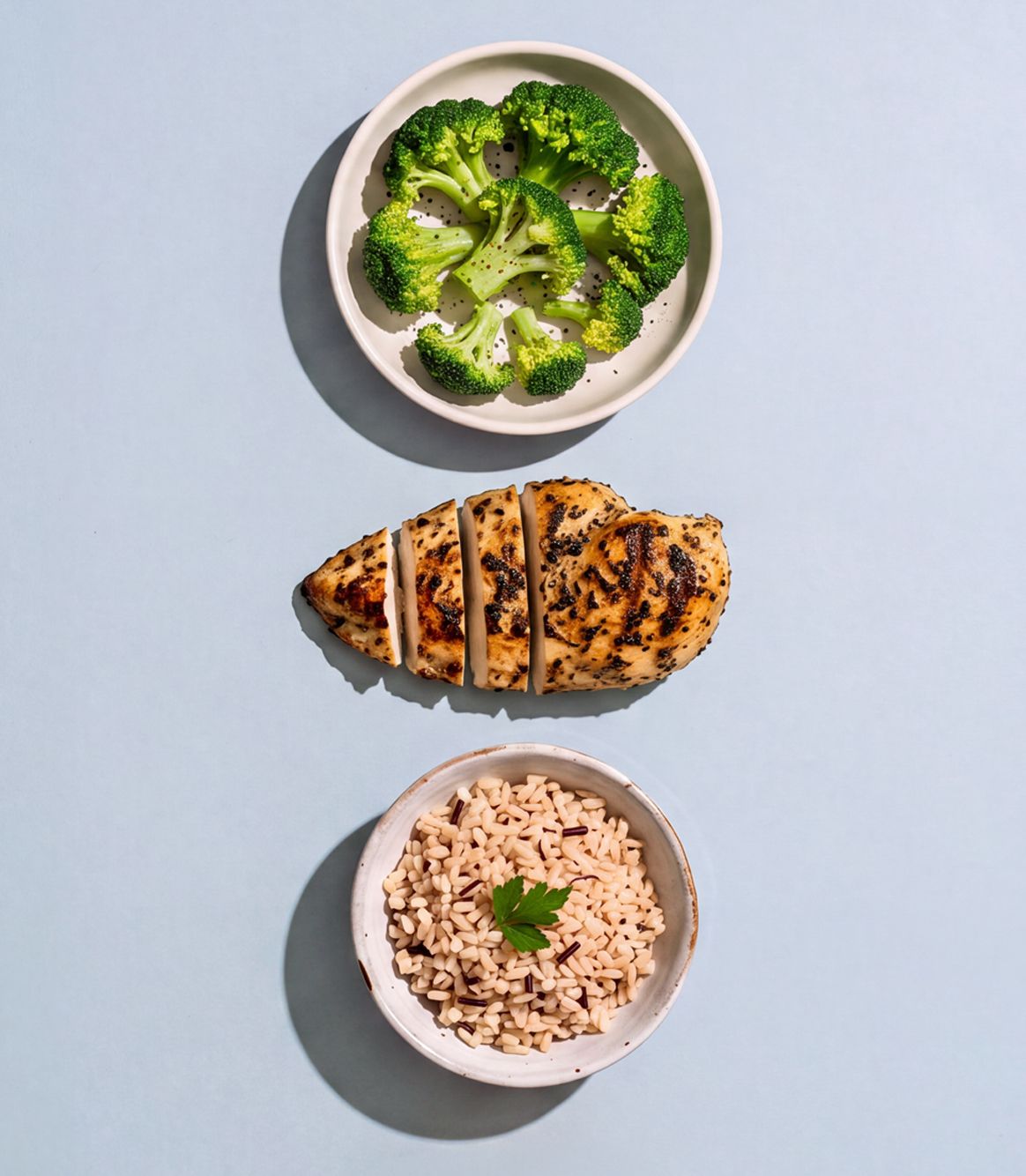
Meal sequencing starts with a simple idea: change the order in which you eat your food. Say your dinner includes chicken, broccoli, rice, and a roll. Start with the broccoli and chicken, then move on to the rice and roll. Same meal, different order.
A systematic review of 11 reports found that eating certain foods before carbohydrates may support a healthier post-meal blood sugar response.* More recent research supports this idea.A review of six studies involving 107 healthy adults found that eating vegetables, fruit, or foods with protein before carbohydrate-rich foods generally led to a smaller rise in blood sugar after eating.*
In other words, supporting a healthy blood sugar response may sometimes be less about changing what’s on your plate and more about where you start.* Of course, what’s on your plate still matters. A balanced meal that includes fiber-rich foods, protein, carbohydrates, and healthy fats gives you a smart nutrient mix to work with.*
Why Eating Carbohydrates Last May Help
So why might eating the broccoli and chicken before the rice and roll make a difference? Your body breaks down carbohydrates into glucose, which enters your bloodstream. Insulin helps move that glucose into your cells. The faster glucose enters your bloodstream, the more quickly your blood sugar may rise after a meal.
That’s where fiber and protein may help. Both can affect how your body handles the carbohydrates that come next, but they work differently.*
When you eat fiber-rich foods before carbohydrates, fiber can slow digestion and how quickly glucose from the carbohydrates enters your bloodstream.* Some types of fiber, called prebiotics, feed beneficial gut bacteria, which may play a role in how your body manages blood sugar.*
Protein works differently. It can help release insulin and other hormones involved in normal blood sugar regulation, and it can slow how quickly food leaves your stomach. These effects may help keep blood sugar from rising as quickly when you eat carbohydrates next.*
A Short Walk After a Meal May Help, Too
Meal sequencing isn’t the only simple change that may help with blood sugar after eating. Taking a short walk after a meal may help your muscles use glucose for energy and support a healthier blood sugar response. Two randomized studies involving 21 healthy adults found that a brisk 30-minute walk after a meal helped lower the rise in blood sugar.
You may not need to walk that long to see a benefit. In a randomized crossover trial of 12 healthy adults, researchers found that a 10-minute walk immediately after consuming a sugary drink may help support a healthy blood sugar response compared with resting.
The take-home? Even a little movement after eating may make a difference.
How Can a Specific Rare Sugar Potentially Help With Your Post-Meal Blood Sugar Response?
Meal sequencing and movement show that what you do during and after a meal may affect your blood sugar response. But here’s a surprising twist: a type of sugar may help, too.*
Allulose is a rare type of sugar found naturally in small amounts in foods such as figs and raisins. It has about 0.4 calories per gram, compared with about 4 calories per gram in table sugar. It’s also about 70% as sweet as table sugar.
Does allulose raise blood sugar? A human clinical study in healthy adults found that allulose did not raise blood glucose or insulin when consumed on its own. What’s more, a review of eight clinical trials found that consuming allulose with carbohydrates supported a healthier post-meal blood sugar response in people whose blood sugar was already within a normal range.*
Allulose May Support Healthy Metabolism in Other Ways*
Blood sugar is only part of the story. Allulose may also affect how your body uses energy.* Your body switches between carbohydrates and fat for energy. This ability, called metabolic flexibility, is part of how your body manages blood sugar and energy.
In a human clinical study of 13 healthy adults, people who consumed allulose before a meal burned more fat for energy after eating.*
Scientists have also studied how allulose may support the body’s normal production of glucagon-like peptide-1 (GLP-1), a hormone your gut releases after eating. GLP-1 is involved in the body’s normal handling of blood sugar after a meal.*
In one small human clinical study with 18 healthy participants, a high serving of 25 grams of allulose may have helped support normal GLP-1 production.* That amount is substantially more allulose than a typical supplement serving provides, and these findings have not been shown for lower servings.*
How to Add Allulose to Your Routine
Curious about how you might add allulose to your routine? Allulose powder can replace sugar in foods and drinks, such as coffee and smoothies. Supplements offer another convenient option and often come in gummy form.
For blood sugar support, consider allulose around the time you eat carbohydrate-rich foods. Clinical research suggests that consuming allulose before or with carbohydrates may help support a healthy post-meal blood sugar response.* Start with a small amount and follow the serving size on the label; larger amounts of allulose may cause digestive discomfort in some people.
Some allulose gummies also contain prebiotic fiber, postbiotics, or both.What is a postbiotic? It’s made from bacteria that are no longer alive but may still provide health benefits. These ingredients may offer added support for gut and metabolic health.*
Small Changes Can Make a Difference
You don’t have to overhaul your diet to support healthy blood sugar after eating. Small changes may provide post-meal blood sugar support.* Eating fiber-rich foods and protein before carbohydrates, taking a short walk after eating, and using allulose with carbohydrate-rich foods are all practical options.*
What you eat matters, but so can the order you eat it and what you do afterward. Sometimes, supporting a healthier blood sugar response may come down to small shifts in how you eat and move around a meal.*
Because blood sugar and metabolic health needs vary from person to person, work with a qualified health-care practitioner when considering dietary supplements. A practitioner can help you determine whether allulose powder or an allulose gummy for blood sugar support is appropriate based on your individual needs and health goals.*
Key Takeaways
- Meal sequencing means eating foods in a certain order, such as vegetables and protein before carbohydrates. This approach may support a healthier post-meal blood sugar response.*
- Fiber can slow digestion and the rate at which glucose enters the bloodstream. Protein can affect insulin release and slow how quickly food leaves the stomach.*
- A short walk after eating may help your body use glucose and support a healthy post-meal blood sugar response.*
- Allulose is a type of rare sugar that provides very few calories compared with table sugar and does not raise blood glucose or insulin when consumed alone.* Consuming it with carbohydrates may help support a healthy post-meal blood sugar response.*
- Allulose comes in forms such as powders and gummies. Some supplements also contain prebiotic fiber or postbiotics for added gut and metabolic health support.*
*These statements have not been evaluated by the Food and Drug Administration. This product is not intended to diagnose, treat, cure, or prevent any disease.
Meal sequencing means eating foods in a certain order. Start with fiber-rich vegetables and protein, then move on to carbohydrates such as bread, rice, pasta, or potatoes. This approach may help support a healthy post-meal blood sugar response.
Metabolic flexibility is your body’s ability to switch between carbohydrates and fat for energy based on what it needs.
Try eating fiber-rich foods and protein before carbohydrates or taking a short walk after your meal. Both approaches may provide post-meal blood sugar support.*
Unlike regular table sugar, human research in healthy adults has shown that allulose does not raise blood glucose or insulin when consumed alone.* Human clinical studies suggest that consuming it with carbohydrates may also help support a healthy post-meal blood sugar response.*
Use allulose powder in place of regular sugar in foods or drinks. You can also take an allulose supplement, such as gummies, around the time you eat carbohydrate-rich foods.
Check the amount of allulose per serving, the serving size, and the other ingredients in the formula. Some allulose gummies also contain prebiotic fiber or postbiotics for added gut and metabolic health support.*
Yes. A qualified health-care practitioner can help you decide whether allulose or an allulose supplement is appropriate for you and recommend an amount based on your diet and individual needs.*