 Skip To Main Content


Meet OEA: A Fat-Derived Molecule That Supports a Feeling of Fullness*
By Jesse Martin, M.S.

Meet OEA: A Fat-Derived Molecule That Supports a Feeling of Fullness*
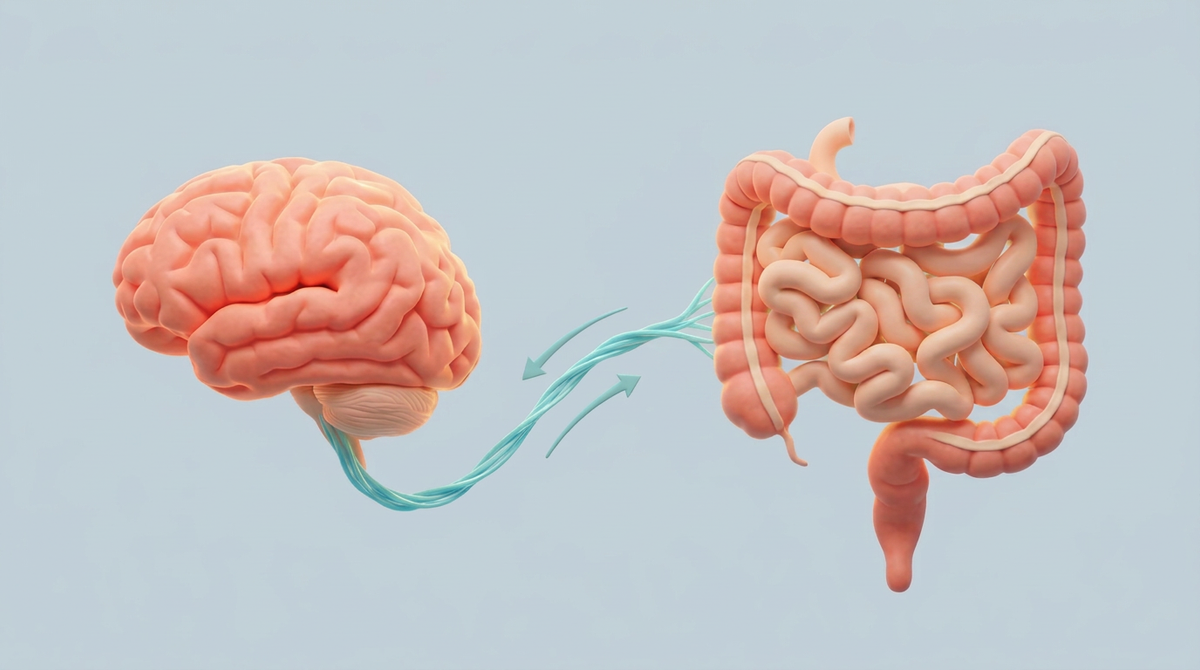
Feeling full after a meal involves much more than people often realize, and is not just about how much food is in your stomach. The gut and brain stay in constant contact through hormones, nerve signals, and other chemical messengers, and those signals act on our feelings of hunger and satiety.
Because of its recent surge in the pharmaceutical world, many people have become familiar with glucagon-like peptide-1 (GLP-1), a hormone the gut releases after eating that helps signal fullness and supports healthy blood sugar metabolism. When it comes to hunger and satiety, GLP-1 is part of a larger system, and our body also makes another important compound called oleoylethanolamide (OEA). OEA is produced in response to eating, especially after consuming oleic acid-rich foods, such as olive oil, avocados, and nuts. Once produced, OEA helps support satiety signaling and may support the body's natural GLP-1 activity.* While clinical research continues to emerge on OEA, this compound appears to have benefits that extend into metabolic and gut health, making it an option for those looking to support healthy appetite, metabolism, and digestive wellness.*
What Is OEA (Oleoylethanolamide)?
OEA is a messenger molecule that the body makes from fat, helping cells in the gut lining and the nerves connected to the brain communicate with one another.* Much of the body's OEA is made by the cells lining the small intestine, in response to eating, especially after meals rich in oleic acid. Once produced, OEA helps the gut communicate with the brain about appetite and fullness.*
The main building block of OEA is oleic acid, a fatty acid found in foods like olive oil, avocados, and many nuts. A few foods, such as oatmeal, cocoa powder, and nuts, also contain OEA itself, but the amounts in these foods are very low. Recently, researchers have become more interested in OEA because of its connection to appetite, fullness, and how the body uses fat for energy.*
When Does the Body Make OEA?
When we eat, especially oleic acid-rich foods, the fat from that meal travels through the stomach and into the small intestine. There, digestion breaks the fat down into smaller pieces called fatty acids, including oleic acid. The cells lining the small intestine take up that oleic acid and use it to make OEA. As a result, OEA production rises sharply after we eat. Meals richer in oleic acid, such as those made with olive oil, avocados, or nuts, supply even more of the building blocks the body uses to make OEA.
During a fasted state, such as overnight or during long gaps between meals, the body typically slows OEA production. Once the fast is broken with the next meal, the small intestine ramps production back up.
How Does OEA Support Satiety?*
The feeling of fullness after a meal is called satiety, and OEA may support satiety in a few different ways:*
- Gut–brain communication: The vagus nerve serves as the main line of communication between the gut and the brain. Nerve signals in the gut may become more active in response to OEA, sending messages to the brain that promote a feeling of fullness.* OEA may also slow how quickly the stomach empties, helping the body feel full longer.*
- GLP-1 support: Under normal circumstances, GLP-1 is released after eating and helps signal fullness, slows digestion, and supports healthy blood sugar metabolism. OEA may support the body's natural GLP-1 activity.* In a recent clinical study, OEA supplementation significantly supported the body's natural GLP-1 activity compared with placebo, both shortly after eating and again around the next meal.* Participants taking OEA also ate significantly less during a meal compared with placebo.
- Fat sensing: Inside many of the body's cells is a fat sensor called PPAR-α, which helps regulate appetite and energy use. When OEA switches on PPAR-α, the sensor may help promote fullness and encourage the body to use fat for fuel.* Supplementation with OEA has also been shown to support PPAR-α activity while helping diminish appetite.*
- Brain signals and cravings: Brain messengers that shape appetite may also respond to OEA, including oxytocin, which is linked to feelings of fullness.* Additionally, it may also help balance the brain's reward signals around food and diminish hunger and occasional sweet cravings.*
Other Metabolic Benefits of OEA*
Beyond appetite and fullness, OEA may also support several key areas of metabolic health, starting with how the body handles fat.* When OEA switches on PPAR-α, the fat sensor inside cells turns on genes that help move fat into cells and burn that fat for energy. As a result, OEA may help the body break down stored fat and use it as fuel rather than keeping it in storage.* Supplementation has also been shown in clinical studies to support genes involved in burning fat and energy use, along with healthy triglyceride metabolism.* Over time, these potential effects may help support healthy body composition.*
OEA's benefits also extend to healthy blood sugar and insulin metabolism, where it may help support healthy blood sugar responses after meals as well as between them.* Part of this support may come from OEA's ability to support the body's natural GLP-1 activity, which helps the body manage the sugar that enters the bloodstream after eating.* Additionally, OEA may help support a healthy inflammatory response by calming some of the signaling proteins that are involved in that process.*
OEA and Gut Health*
The gut lining acts as a protective barrier between what is inside the intestines and the rest of the body. Cells in the lining are held together by structures called tight junctions, which help control what passes through. When the barrier becomes permeable, certain bacteria, pathogens, and inflammatory molecules may enter the bloodstream and trigger an inflammatory response. By supporting the tight junction proteins that hold the gut lining together, OEA appears to promote healthy gut barrier function.* Supplementation has also been shown in clinical studies to support occludin, an important protein that keeps these junctions intact.*
Beneficial gut bacteria may also benefit from OEA, as supplementation has been shown in clinical studies to promote the growth of Akkermansia muciniphila. This bacterium lives in the mucus layer of the gut and helps support a healthy gut barrier and metabolism.*
Where OEA Supplements Fit In
OEA supplements are typically taken shortly before meals, allowing it to work alongside the body's own mealtime signals while supporting the body's natural GLP-1 activity.*
For those looking for additional appetite and metabolic support, an OEA supplement may help support the body's own fullness signals.* Unlike many appetite support supplements that rely on caffeine or other stimulants, OEA is a non-stimulant option that works through the same satiety pathways the body already uses.*
An OEA supplement may be especially useful during and after weight-management programs, including the maintenance stage or when appetite begins to return after a period of suppressed caloric intake.* OEA may also help promote normal appetite signaling while supporting healthy weight and body composition.*
Individuals interested in using an OEA supplement should work with a qualified health-care professional to determine whether it is appropriate for their individual needs.
Key Takeaways
- OEA is a messenger molecule that the small intestine produces in response to eating, especially after oleic acid-rich meals, helping the gut communicate with the brain about appetite and fullness.*
- The body produces the most OEA right after eating, and production slows during a fasted state, such as overnight.
- OEA may support the body's own fullness signals through gut–brain communication, the body's natural GLP-1 activity, and a fat sensor called PPAR-α.*
- Beyond appetite, OEA may support healthy fat metabolism, healthy blood sugar and insulin metabolism, and a healthy inflammatory response.*
- OEA may also promote healthy gut barrier function and the growth of beneficial gut bacteria, including Akkermansia muciniphila.*
- Foods contain only small amounts of OEA, so an OEA supplement taken before meals or as directed by a qualified health-care practitioner may provide additional appetite and metabolic support.*
*These statements have not been evaluated by the Food and Drug Administration. This product is not intended to diagnose, treat, cure, or prevent any disease.
OEA is a messenger molecule that the body makes from fat. Cells lining the small intestine make much of the body's OEA, which helps the gut communicate with the brain about appetite and fullness.*
The small intestine makes the most OEA right after we eat, especially after consuming oleic acid-rich foods, such as olive oil, avocados, and nuts. During a fasted state, such as overnight, the body typically slows OEA production.
OEA may support fullness by activating nerve signals between the gut and brain, encouraging the body's natural GLP-1 activity, and switching on a fat sensor called PPAR-α.*
Foods such as oatmeal, nuts, and cocoa powder contain very small amounts of OEA itself. Other foods rich in oleic acid, such as olive oil, avocados, and nuts, also provide the building blocks the body uses to make its own OEA.
OEA supplements are typically taken shortly before meals, allowing OEA to work alongside the body's own mealtime signals.* Taking OEA this way supports its role as a satiety supplement. Consult with your qualified health-care practitioner to see if OEA is a good fit for you. *
OEA may help support the tight junction proteins that hold the gut lining together, promoting healthy gut barrier function.* OEA supplementation may also promote the growth of Akkermansia muciniphila, a beneficial gut bacterium.* Akkermansia muciniphila is a key part of the gut bacteria and metabolic health connection, since preclinical studies have shown that it supports the body's natural GLP-1 activity.*