 Skip To Main Content


Prebiotics, Probiotics, and Postbiotics: What’s the Difference?
By Jason Boehm, MS, CNS, MMC
Published

Published October 27, 2026
You’ve probably heard that gut health may affect many areas of your health, including your immune system. Chances are, you know probiotics may help maintain a healthy gut.* You may already get them from foods or take a probiotic supplement.
But probiotics are only part of the picture. The beneficial bacteria in your gut interact with the foods you eat and compounds made by other microbes. That’s where prebiotics and postbiotics come in. Each works differently, but all three may play a role in a healthy gut.*
How Gut Microbes Support One Another*
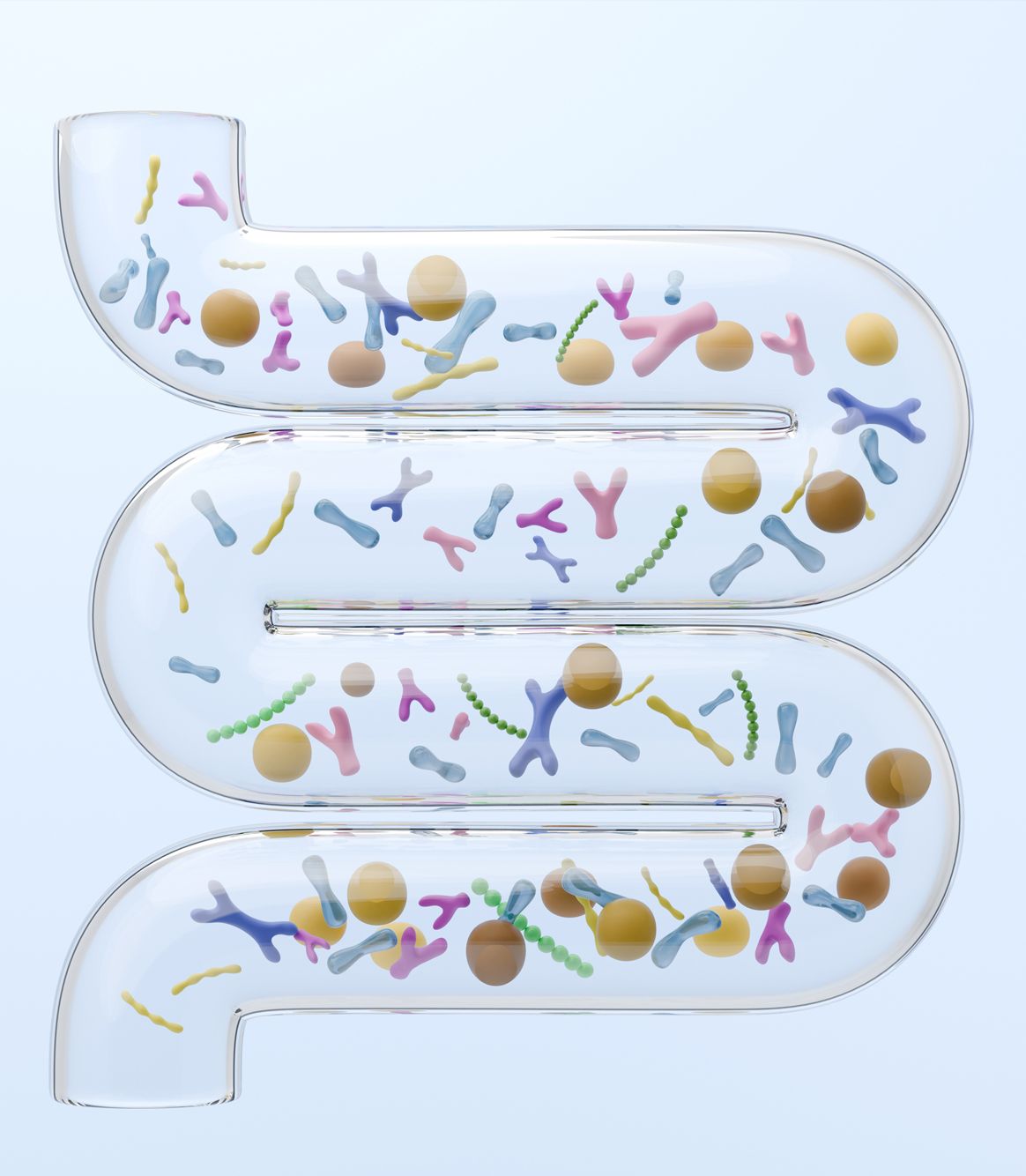
A healthy gut depends on a complex community of microbes. Your digestive tract is home to hundreds of types of bacteria and other tiny organisms.
These microbes help break down food and make compounds your body can use. They also support your gut lining and communicate with your immune system.* Many depend on one another to do these jobs.
Some bacteria are known as keystone species because they have an especially important role in the gut. They may feed other helpful bacteria or help maintain a healthy intestinal lining.* Their actions can affect the whole gut community.*
When it comes to gut health, no single microbe does all the work. A healthy gut relies on a community of microbes that work with and depend on one another.*
Probiotics: Why the Strain Matters
Probiotics are live microorganisms that may provide numerous health benefits, such as supporting digestion, a healthy gut lining, and a balanced gut microbiome.*
A strain is a specific type of microorganism within a larger group. Different strains may play different roles in the gut.* An individual gut may contain hundreds of bacterial species, which helps explain why no single probiotic can represent the full diversity of the gut microbiome.
Many probiotic supplements contain familiar bacteria such as Lactobacillus and Bifidobacterium. Scientists are also studying other beneficial bacteria that naturally live in the gut, known as commensal bacteria. A commensal probiotic supplement may include some of these naturally occurring bacteria to help support a healthy, balanced gut community.*
Some beneficial bacteria support your gut lining or immune health.* Others make helpful compounds or feed other microbes through a process called cross-feeding, which helps support a healthy, diverse gut community.*
For example, Akkermansia muciniphila (A. muciniphila) lives in the protective mucus layer of your intestine and helps support a healthy gut barrier.* Other gut bacteria make butyrate, a type of fatty acid that provides energy for cells lining your colon and helps keep the intestinal lining healthy.*
These different roles are helping scientists develop more targeted probiotic formulas. A multi-strain probiotic supplement can combine carefully selected bacteria that support the gut in different ways.* When choosing a probiotic, consider which bacteria it contains and what they do, rather than simply how many strains appear on the label.
Prebiotics: Feeding the Bacteria Already in Your Gut
If probiotics add beneficial bacteria, how do you support the ones already living in your gut? That’s where prebiotics come in.
Prebiotics feed certain bacteria already living in your gut. Many are types of fiber that your body cannot fully digest. In a recent review of 22 clinical trials, prebiotics consistently supported the growth of bacteria such as Bifidobacterium.* By feeding beneficial bacteria, prebiotics may help create a gut environment where these microbes can grow and do their jobs.*
Because your body can’t fully digest these fibers, prebiotics travel to your large intestine, where gut bacteria break them down. As they do, the bacteria make helpful compounds called short-chain fatty acids (SCFAs). SCFAs help nourish the cells lining your intestine and maintain its protective lining.*
You can find prebiotic fibers in everyday foods, including onions, garlic, asparagus, oats, and beans. Prebiotics are also available in supplements.
Postbiotics: Benefits Without Live Bacteria*
Probiotics provide live bacteria, and prebiotics help feed them. But beneficial bacteria don’t have to stay alive to provide benefits.* That’s where postbiotics come in. They contain bacteria that are no longer alive but may still support health.*
One example is BPL1®, a postbiotic made from Bifidobacterium bacteria. BPL1® is heat-treated, so the bacteria are no longer alive, but parts of the bacterial cells remain. Researchers have studied BPL1® for its potential effects on metabolic health, including how the body manages blood sugar and fats.*
Supporting the Whole Gut Community*
With so many gut health products available, you may be tempted to choose the probiotic with the most strains or the biggest number on the label. But those numbers don’t tell the whole story. A probiotic with more strains may not necessarily provide the gut health support you need.*
Think instead about the kind of support a product provides. Probiotics introduce live beneficial microbes, prebiotics provide nourishment for certain microbes, and postbiotics provide nonliving microbes or their parts that may support health.* Some formulas combine these approaches to provide broader gut health support.*
Because gut health needs vary from person to person, work with a qualified health-care practitioner when considering dietary supplements. A practitioner can help you determine whether a prebiotic, probiotic, postbiotic, or combination is appropriate based on your individual needs and health goals.*
Key Takeaways
- Gut health may affect many areas of health, including immune health.*
- Prebiotics feed beneficial microbes already living in your gut and help create an environment where they can thrive.*
- Probiotics provide live beneficial microbes, and different strains may play different roles in the gut.*
- Postbiotics contain bacteria that are no longer alive but may still provide health benefits.*
- When choosing a probiotic, consider which strains it contains and the research behind them rather than simply how many are listed on the label.
*These statements have not been evaluated by the Food and Drug Administration. This product is not intended to diagnose, treat, cure, or prevent any disease.
A prebiotic feeds beneficial microbes already living in your gut, while a probiotic provides live microbes. A probiotic supplement for gut health support may contain one or more carefully selected strains.*
A postbiotic contains bacteria that are no longer alive but can still provide health benefits.*
Commensal bacteria naturally live in or on your body. In the gut, some support the gut barrier, other beneficial microbes, and a healthy gut environment.* A commensal probiotic supplement may provide selected strains of these naturally occurring bacteria.
A keystone strain plays an especially important role in the gut community. It may make helpful compounds, support other beneficial microbes, or help maintain a healthy gut environment.*
More strains aren't always better. An advanced probiotic formula may use carefully selected strains that serve different roles in the gut.* Consider the specific strains, the research behind them, and whether the formula provides the foundational probiotic support that fits your needs.
It depends on the formula and your individual needs. Some products are designed as a daily probiotic supplement, while others have different directions for use. Consult with your health-care practitioner before starting any new probiotic supplements.
Yes. A qualified health-care practitioner can help you decide which type of gut health support is appropriate for your individual needs, including whether a probiotic for microbiome balance may be useful.