 Skip To Main Content


Omega-3 Fatty Acids: Supporting Healthy Skin From the Inside Out

By Jason Boehm, MS, CNS, MMC
Published June 18, 2026
Dry, rough, or irritated skin can feel frustrating. When expensive moisturizers, serums, and skin care products still leave skin feeling dry or uncomfortable, that frustration can feel even worse. Skin care products may help improve the appearance of the skin, but healthy-looking skin also depends on what you nourish your body with every day.
That’s one reason omega-3 fatty acids continue to get so much attention for skin wellness. These important fats help support the skin’s moisture balance and protective barrier. Research also suggests omega-3s help support hydration, skin comfort, and smooth, resilient-looking skin.
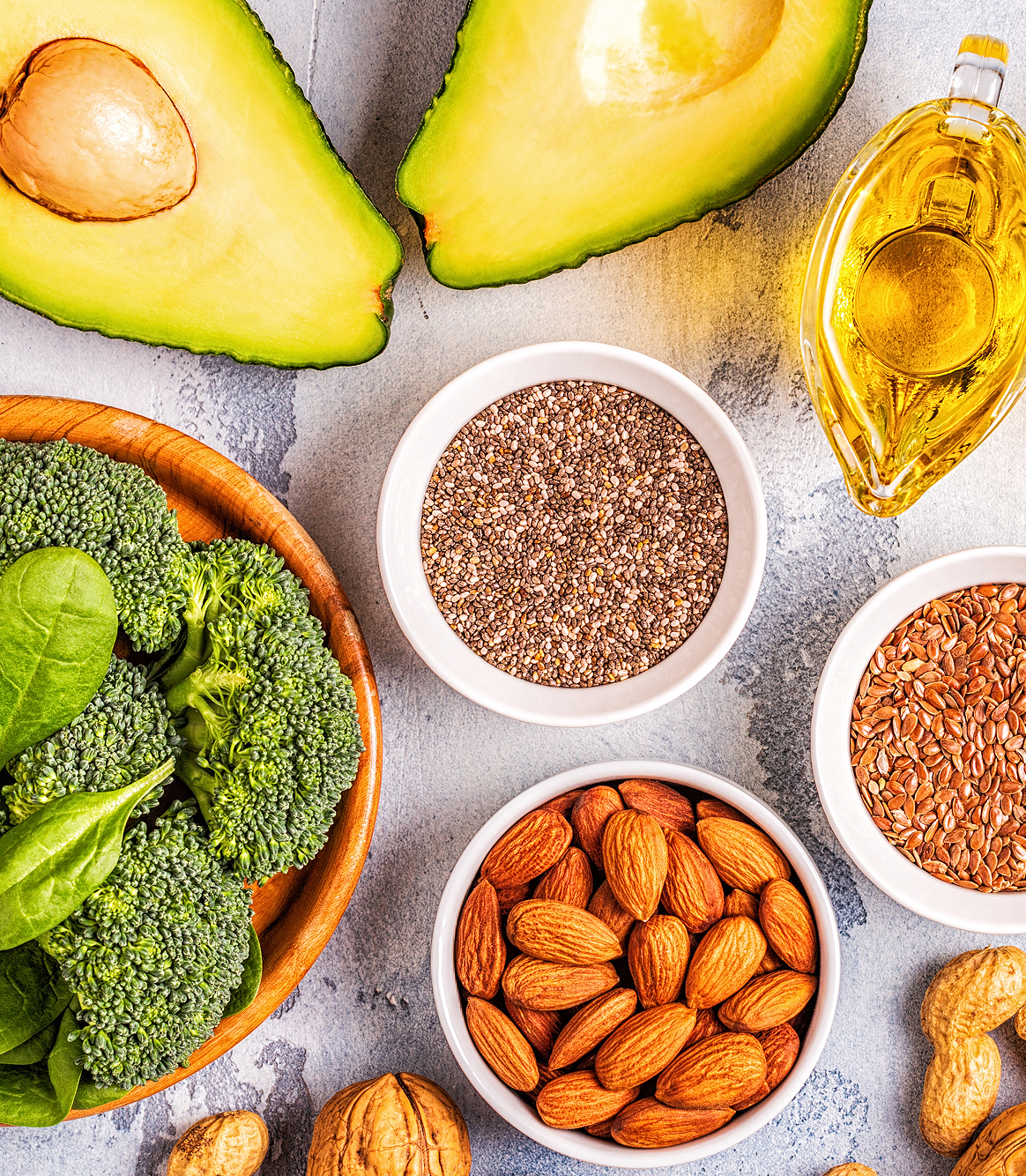
Omega-3 fatty acids are healthy fats found mainly in fish, fish oil, flax and chia seeds, and some nuts. The three main types are alpha-linolenic acid (ALA), eicosapentaenoic acid (EPA), and docosahexaenoic acid (DHA). EPA and DHA are found mostly in oily fish such as salmon, sardines, mackerel, and herring, while ALA is found in foods like walnuts, flax seeds, and chia seeds.
The body can make small amounts of EPA and DHA from ALA, but this conversion process is limited and can vary from person to person. Things like age, genetics, diet, and overall health may affect how well the body makes EPA and DHA from ALA. This is one reason why foods and supplements containing EPA and DHA may help support optimal omega-3 status.* EPA and DHA continue to be widely studied for their potential health benefits, including their role in overall skin appearance.*
Healthy Skin Starts With a Strong Skin Barrier
Your skin barrier is the outermost layer of the skin. That barrier acts like a shield to retain moisture while protecting the skin from dryness, irritation, and exposure to daily stressors, such as cosmetics, pollution, or sun exposure. Skin cells and healthy fats work together to keep it smooth, hydrated, and resilient. When the barrier weakens, skin can become dry, rough, flaky, or more sensitive to everyday irritants.
Omega-3 supplementation can help maintain the skin’s natural moisture balance, especially in people who don’t get enough through diet alone. Research suggests omega-3s help keep the skin barrier strong and resilient, which is important for a healthy-looking complexion.
Omega-3 and omega-6 fats work together in the body, but many modern diets contain far more omega-6s than omega-3s. Omega-6 fats are found in many common vegetable oils, including corn, soybean, sunflower, safflower, grapeseed, and canola oils, which are widely used in processed foods.
While omega-6 fats are essential for health, getting too much over time may contribute to a heightened inflammatory state in the body and skin. This imbalance may also affect the body’s normal response to irritation and overall skin wellness.
Why Omega-3s Matter for Dry or Sensitive Skin
Omega-3 fatty acids help keep skin hydrated, smooth, and resilient by supporting moisture balance and the skin’s protective barrier. They also help the skin handle stress from sun exposure.
In one review study, EPA and DHA were associated with improved skin comfort and overall appearance following ultraviolet (UV) radiation exposure, the type of exposure that comes from sunlight. DHA also helps support the skin’s moisture balance, protective barrier, and structural proteins, all of which are important for smooth, resilient-looking skin.
Nourishing Healthy Skin From Within
Omega-3 fatty acids are among the most widely studied nutrients for skin wellness. Research suggests omega-3 supplementation may help support skin hydration, barrier function, and smoother, healthier-looking skin over time.
In one study involving healthy women, supplementation with a fish oil-rich oral formula improved skin firmness after 3 months of use. Researchers also observed improvements in the skin’s natural protective barrier during the study. Omega-3s also help support the skin’s natural recovery from everyday irritants and help maintain a strong, healthy skin barrier over time, supporting smoother, firmer, and more vibrant-looking skin.*
Are Most People Getting Enough Omega-3s?
Most adults in the United States get only about 90 mg per day of combined EPA and DHA, far below the amounts commonly studied for skin and overall wellness.
Many experts suggest that adults benefit from approximately 250 to 500 mg of combined EPA and DHA daily, obtained through food and/ or supplements, depending on dietary intake and individual health goals. Studies examining skin health have often used higher amounts of omega-3 fatty acids over several months, with research showing improvements in skin hydration and barrier function following long-term supplementation.
Because nutrition varies from person to person, work with a qualified health-care practitioner when considering dietary supplements.
Key Takeaways
- Omega-3 fatty acids help maintain skin hydration, skin comfort, and the skin’s protective barrier.*
- EPA and DHA help the skin respond to potential daily irritants, including stress from sun exposure.*
- Many people consume far less omega-3 than the amounts commonly studied for skin wellness and overall health.*
- Fatty fish such as salmon, sardines, and mackerel are among the richest sources of EPA and DHA.
- For people struggling with dry or sensitive skin, omega-3s may play an important role in healthier-looking skin from within.*
*These statements have not been evaluated by the Food and Drug Administration. This product is not intended to diagnose, treat, cure, or prevent any disease.
EPA (eicosapentaenoic acid) and DHA (docosahexaenoic acid) are two important omega-3 fatty acids found mainly in seafood and fish oil. They’re the forms of omega-3s most commonly studied for heart, brain, eye, and skin health.*
EPA and DHA are important omega-3 fatty acids that play key roles throughout the body, including supporting heart, brain, eye, and skin health.*
EPA and DHA are considered "conditionally essential" fats. The body can make small amounts of EPA and DHA from ALA, another omega-3 fatty acid found in foods like flax and chia seeds. However, this process is limited, which is why eating foods rich in EPA and DHA is often encouraged. Fatty fish such as salmon, sardines, and mackerel are among the richest dietary sources.
Fatty fish such as salmon, sardines, mackerel, and herring are among the richest dietary sources of EPA and DHA. Plant foods such as walnuts, flax seeds, and chia seeds provide ALA.
Omega-3 fatty acids help nourish healthy-looking skin from within.* EPA and DHA help maintain skin hydration, support the skin’s protective barrier, and help keep skin feeling comfortable and resilient.* Research also suggests omega-3s help the skin respond to everyday potential irritants, including stress from sun exposure, while helping maintain smooth, healthy-looking skin over time.*
Yes. It’s always a good idea to speak with a qualified health-care practitioner before starting a new supplement, especially if you’re pregnant, nursing, taking medications, or managing a health condition.
A practitioner can help determine whether omega-3 supplementation is appropriate for your individual needs and can recommend the right amount and form based on your health goals, diet, and lifestyle. They can also help identify additional nutrition and lifestyle strategies that support healthy skin from the inside out.*